
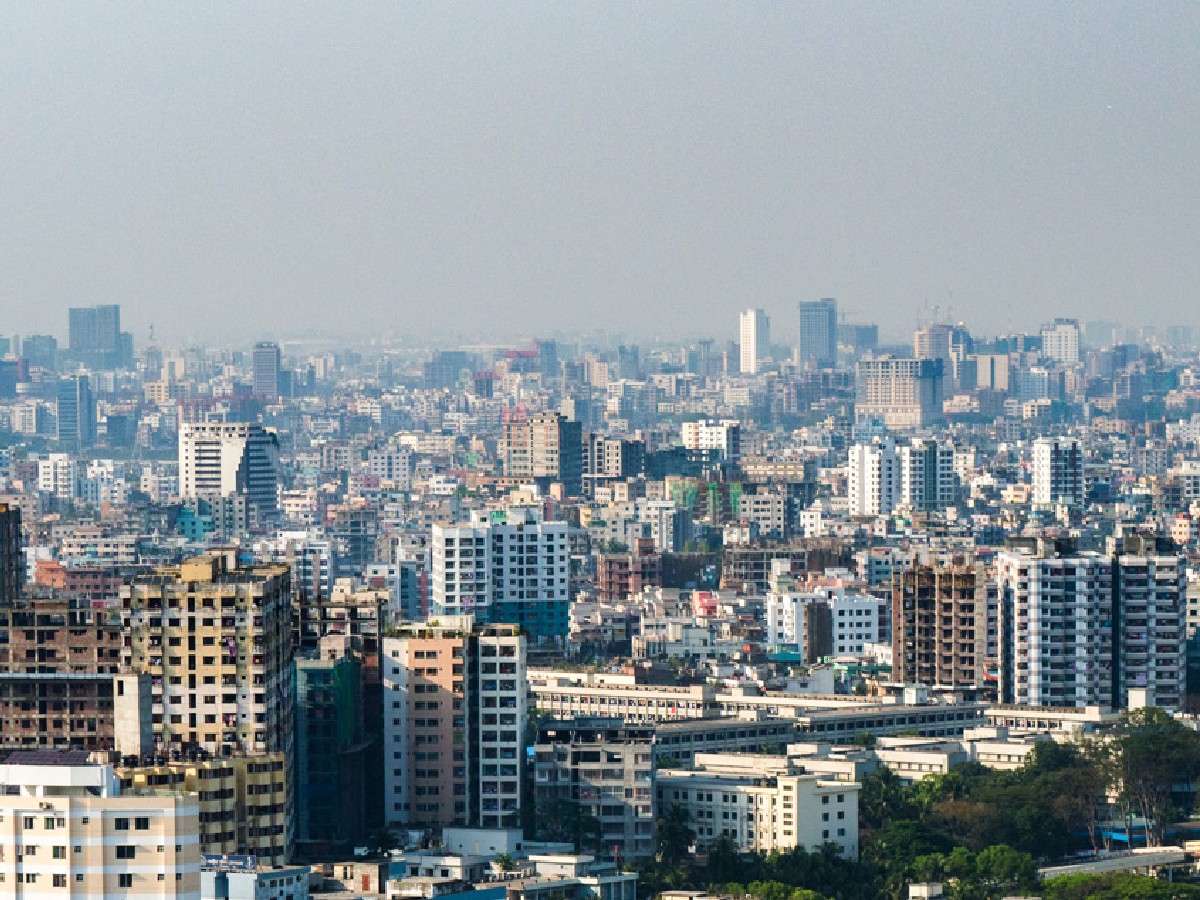

Breathing Life Back into the Megacity: Essential Facilities to Make Dhaka Truly Liveable
Dhaka is a city of unmatched resilience, economic dynamism, and vibrant human energy. Yet, when global assessments like the Economist Intelligence Unit's liveability rankings place the city near the bottom, it mirrors a daily reality that millions of residents experience firsthand: navigating chronic traffic congestion, battling severe air pollution, enduring waterlogging during monsoons, and coping with a severe shortage of open public spaces.
Transforming Dhaka into a truly liveable metropolis requires more than just high‑rise buildings and flyovers. It calls for strategic, citizen‑centric investments in foundational urban facilities. Here is a look at the essential infrastructure and amenities needed to make Dhaka breathable, efficient, and deeply liveable for its residents.
1. Integrated, Safe, and Efficient Public Mass Transit
The backbone of any liveable city is how its people move. With average traffic speeds slowing down significantly due to private vehicle reliance and unmanaged congestion, fixing mobility is priority number one.
- Seamless Multimodal Transit: Expanding the Metro Rail network, modernizing bus routes under a unified franchising system, and integrating water transport along Dhaka’s peripheral rivers can create a seamless commuter grid.
- Pedestrian‑First Infrastructure: Reclaiming and widening footpaths, constructing safe zebra crossings, and ensuring wheelchair‑accessible walkways are critical to encouraging walking and reducing reliance on personal cars.
2. Reclaiming Nature: Parks, Greenery, and Water Bodies
Urban concrete jungles take a heavy toll on both physical and mental health. Liveability requires a deliberate return to nature.
- Preserving and Expanding Open Spaces: Existing parks, playgrounds, and historical fields must be protected from encroachment and fully opened to the public. New master‑planned residential zones must mandate green parks and community courtyards.
- Restoring Canals and Rivers: Protecting Dhaka’s surrounding rivers and interior canals from illegal dumping and encroachment will not only lower urban temperatures and reduce air pollution but also permanently solve the agonizing problem of seasonal waterlogging.
3. Robust Environmental and Waste Management Systems
Clean air, safe water, and effective sanitation are non‑negotiable pillars of public health.
- Combating Air Pollution: Strict regulatory enforcement against toxic vehicle emissions, dust from unmanaged construction sites, and open waste burning is vital to bringing down hazardous particulate matter levels.
- Modern Solid Waste Management: Transitioning from unmanaged dumping to scientific waste processing, recycling streams, and community‑level segregation will eliminate environmental hazards and protect public health.
4. Decentralized Urban Amenities and Housing Security
Dhaka’s extreme congestion is heavily fueled by the fact that nearly all major educational institutions, corporate headquarters, and specialized healthcare facilities are concentrated in core neighborhoods.
- Decentralization and Satellite Hubs: Developing robust commercial, medical, and educational hubs in upcoming peripheral expansions—such as eastern Dhaka and Purbachal—will naturally distribute population pressure and shorten daily commutes.
- Inclusive Urban Housing: Addressing the needs of low‑income workers and urban migrants through secure, hygienic, and affordable housing options prevents the expansion of vulnerable slums and ensures equitable urban growth.
The Bottom Line
Making Dhaka liveable is an urgent economic and moral imperative. By pivoting our urban planning goals away from mere concrete expansion and toward comprehensive public transport, green parks, clean air, and equitable infrastructure, we can turn Dhaka from a stressed megacity into a flourishing home that honors its residents.