
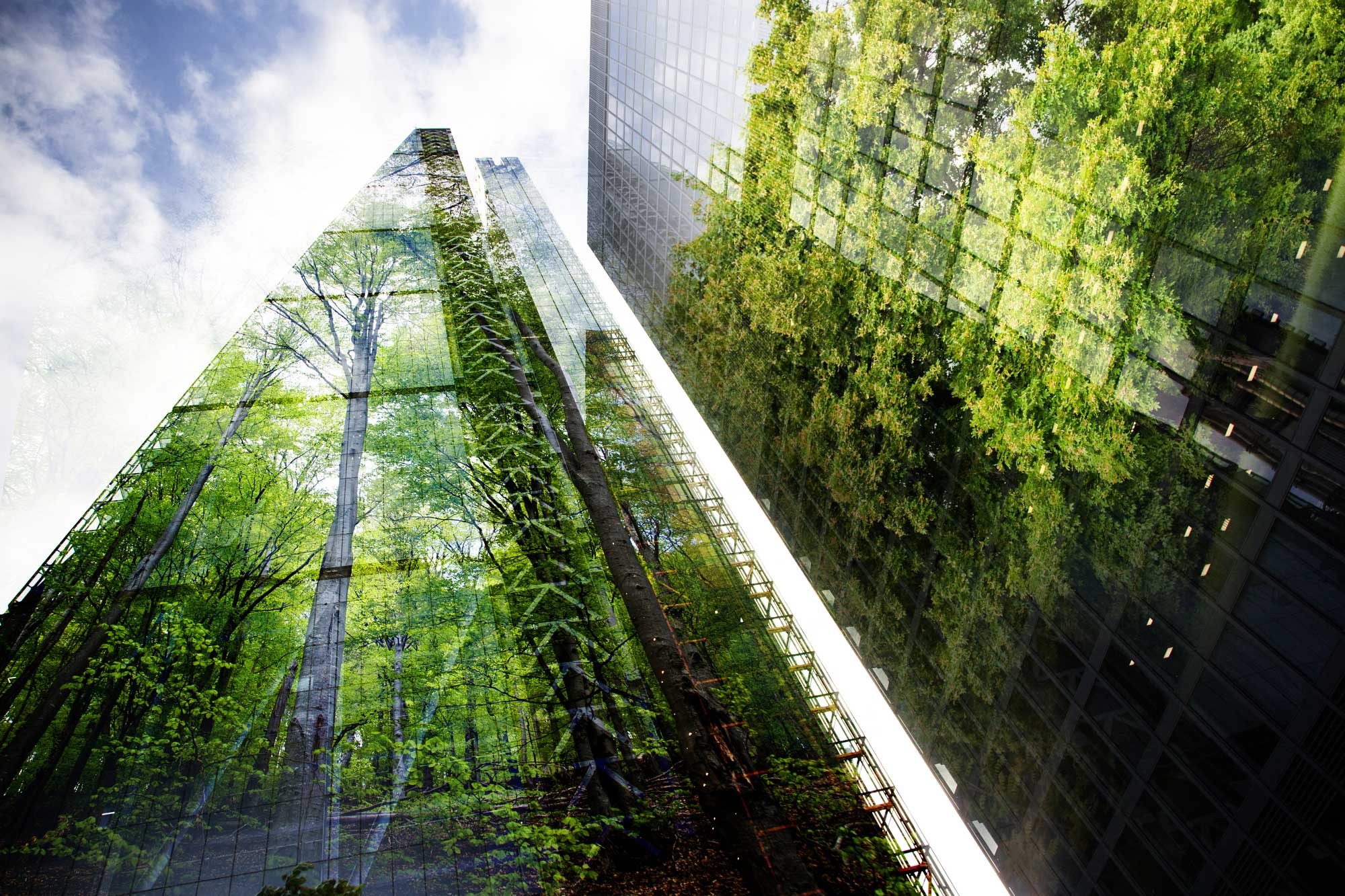

Building for Tomorrow: Why Sustainability and Eco‑Friendly Solutions are Essential in Modern Real Estate
As our cities expand and urban populations surge, the environmental footprint of the construction sector has come under intense global scrutiny. Traditional building methods—heavy on energy consumption, resource depletion, and carbon emissions—are no longer tenable in a world facing rapid climate change.
Today, integrating sustainability and eco‑friendly solutions into architecture and real estate development is no longer just an ethical trend; it is the absolute gold standard for modern building practices. From reducing long‑term operational costs to protecting human health, green building is reshaping how we design our future.
Here is why sustainable, eco‑friendly construction practices are the most responsible and advantageous choice for builders, investors, and residents alike.
1. Drastic Reduction in Environmental Impact
The construction and operation of buildings account for a massive share of global greenhouse gas emissions and resource consumption. Sustainable building practices directly mitigate this ecological damage:
- Energy Efficiency: By incorporating high‑performance insulation, solar power integration, and smart climate control, eco‑friendly buildings consume a fraction of the energy required by conventional structures.
- Water Conservation: Advanced plumbing fixtures, rainwater harvesting systems, and greywater recycling significantly lower municipal water strain.
- Waste Minimization: Utilizing recycled, locally sourced, and renewable building materials reduces the depletion of natural resources and cuts down construction waste sent to landfills.
2. Superior Indoor Health and Well‑Being
We spend the vast majority of our lives indoors, making indoor environmental quality a critical determinant of health.
- Toxin‑Free Materials: Green building standards restrict the use of volatile organic compounds (VOCs) found in paints, adhesives, and finishes, leading to cleaner, safer indoor air.
- Natural Lighting and Ventilation: Eco‑friendly architectural design prioritizes daylighting and cross‑ventilation, reducing the reliance on artificial lighting and mechanical cooling while boosting psychological well‑being.
3. Long‑Term Economic Savings
While green building can sometimes involve specialized planning upfront, it delivers undeniable financial returns over a building's lifecycle:
- Lower Utility Bills: Energy‑efficient lighting, solar panels, and smart thermal insulation translate into dramatically reduced monthly electricity and water bills for residents.
- Reduced Maintenance Costs: Durable, high‑quality eco‑friendly materials often require less frequent repairs and upkeep compared to cheaper, conventional alternatives.
4. Higher Market Demand and Asset Value
Modern property buyers and investors are increasingly environmentally conscious, prioritizing sustainability when choosing a home or office.
- Future‑Proofing Investments: As global regulations tighten and energy costs fluctuate, sustainable buildings retain their market relevance and resist rapid depreciation.
- Stronger Resale and Rental Yields: Properties that boast green certifications, energy efficiency, and eco‑conscious amenities consistently attract higher demand, commanding superior rental rates and stronger long‑term appreciation.
The Bottom Line
Buildings are permanent fixtures that shape our communities for decades. By championing sustainability and eco‑friendly solutions, developers and homeowners alike can create spaces that harmonize with nature rather than fight against it. Building green is not just about protecting the planet—it is about building healthier, more resilient, and economically sound communities for generations to come.