
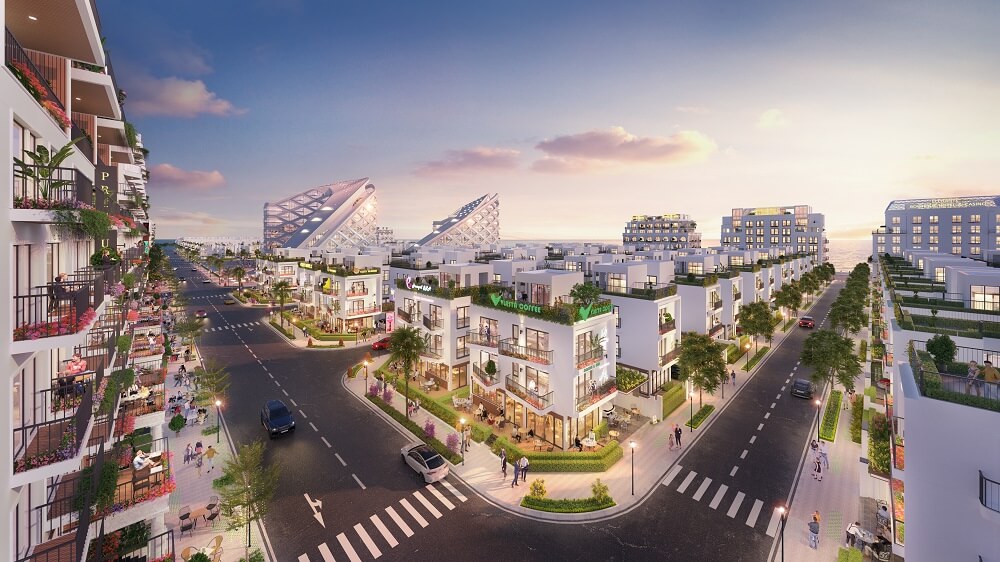

The Vital Role of Open Spaces and Greenery in Urban Living
In densely populated urban landscapes like Dhaka, concrete structures, asphalt, and high‑rise developments often dominate the horizon. Amid this rapid urbanization, incorporating open spaces and greenery is not merely an aesthetic choice—it is a fundamental necessity for public health, psychological well‑being, and sustainable urban living. Here is why open spaces and greenery are critical for healthy urban communities:
1. Physical Health and Environmental Quality
Urban areas are prone to air pollution, elevated temperatures, and environmental stressors that directly impact physical health. Greenery acts as a natural countermeasure:
- Air Purification: Trees, shrubs, and landscaped lawns absorb carbon dioxide and harmful pollutants while releasing fresh oxygen, significantly improving the ambient air quality for residents.
- Combating the Urban Heat Island Effect: Concrete and asphalt absorb solar radiation, trapping heat and raising city temperatures. Green spaces, parks, and water bodies cool the surrounding air through natural shade and evapotranspiration.
- Encouraging Active Lifestyles: Open green spaces, walking tracks, and parks provide accessible environments for physical activities like walking, jogging, and outdoor sports, helping combat sedentary lifestyles and associated health risks.
2. Mental Well‑Being and Stress Reduction
The psychological toll of living in congested, fast‑paced cities is well‑documented. Access to nature offers a vital psychological reset:
- Stress and Fatigue Recovery: Exposure to natural environments lowers cortisol levels, reduces blood pressure, and alleviates mental fatigue caused by constant noise, traffic, and screen time.
- Restorative Spaces: Quiet parks and tree‑lined walkways offer peaceful sanctuaries where residents can unwind, meditate, or simply enjoy moments of quiet reflection.
3. Fostering Community and Social Cohesion
Open spaces serve as the social glue of a neighborhood, bridging the gap between isolated urban households:
- The Modern "Uthan" (Courtyard) Effect: Just as traditional communities relied on central courtyards for communal life, shared green spaces and community parks give residents a safe, neutral ground to interact.
- Safe Play Zones for Children: Greenery and open spaces provide children with safe areas to run, play outdoors, and engage in social play away from vehicular traffic, supporting healthy physical and social development.
- Hosting Community Events: Open lawns and communal parks make it possible to organize neighborhood gatherings, cultural celebrations, and seasonal festivities, strengthening bonds among residents.
4. Biodiversity and Ecological Balance
Even within a concrete jungle, green spaces sustain vital ecosystems:
- Urban Wildlife Habitats: Trees and landscaped gardens attract birds, butterflies, and beneficial insects, preserving a micro‑ecosystem within the city.
- Sustainable Stormwater Management: Unpaved green areas and natural landscaping allow rainwater to percolate directly into the soil, reducing waterlogging and urban flooding during heavy monsoon downpours.
The Bottom Line
Open spaces and greenery transform urban areas from stressful concrete grids into liveable, breathable, and vibrant communities. By prioritizing parks, rooftop gardens, and landscaped courtyards, urban planners and residents alike can build environments that nurture both the body and the soul.